

Защита критической инфраструктуры от беспилотников требует комплексного C-UAS подхода: развертывания систем обнаружения на базе радиочастотных сенсоров, радаров и оптико-электронных модулей (EO/IR) в сочетании со средствами нейтрализации — радиоэлектронным подавлением (jamming), GNSS-спуфингом и физическим перехватом. Интегрированные решения противодействия малоразмерным БПЛА (C-UAS) выявляют угрозу, идентифицируют аппарат и нейтрализуют его в режиме реального времени – автоматически, без участия оператора. Электростанции, нефтеперерабатывающие заводы, аэропорты, водозаборные узлы и государственные границы сегодня нуждаются в постоянном мониторинге воздушного пространства: беспилотники стали реальным, а не гипотетическим инструментом разведки, диверсий и атак на стратегические объекты.
Виды угроз: чем опасны БПЛА для стратегических объектов
Современные коммерческие беспилотники доступны, маневренны и способны нести полезную нагрузку. Это делает их инструментом опасности сразу в нескольких сценариях.
Разведка и шпионаж. БПЛА с HD-камерами и тепловизорами позволяют собирать данные о периметре, расположении оборудования и графике охраны без физического проникновения на территорию. Такая воздушная разведка предшествует более серьёзным атакам.
Диверсия и физическое поражение. FPV-дроны и барражирующие боеприпасы способны доставлять взрывчатые вещества, поджигать оборудование или выводить из строя трансформаторные подстанции и трубопроводы. Потенциальный ущерб – остановка производства, утечки, техногенные катастрофы.
Контрабанда и несанкционированная доставка. Беспилотники используются для переброски запрещенных грузов через охраняемые периметры – на режимные площадки, через государственные границы, на территорию портов.
Кибератаки и радиопомехи. Отдельные БПЛА оснащаются средствами радиоэлектронного подавления и способны создавать помехи для систем связи, навигации и контроля над предприятием.
Роевые атаки. Скоординированное применение множества БПЛА одновременно перегружает системы детектирования и противодействия, создавая критическую брешь в безопасности стратегических активов.
Реальные инциденты: когда опасность стала реальностью
Атаки беспилотников на объекты критической инфраструктуры уже зафиксированы по всему миру.
2019 год, Саудовская Аравия. Удар по нефтеперерабатывающим предприятиям Saudi Aramco в Абкайке и Хурайсе с применением барражирующих боеприпасов привел к временному сокращению добычи нефти примерно на 5% от мирового объема. Этот случай наглядно показал уязвимость крупнейших энергетических активов перед угрозой БПЛА.

2021 год, Ирак. Дроны-камикадзе атаковали электрические подстанции, спровоцировав масштабные отключения электроэнергии. Риски для энергетической инфраструктуры стали очевидны на государственном уровне.
2022–2024 годы, зона конфликта между Россией и Украиной. Массовое применение FPV-беспилотников и барражирующих боеприпасов против энергетических предприятий –электростанций, трансформаторных подстанций, теплоснабжающих узлов – показало, насколько эффективным и дешевым оружием стали коммерчески доступные аппараты.
Аэропорты по всему миру. Неоднократные инциденты с несанкционированными БПЛА в районе аэропортов (Хитроу, Гатвик, Дубай) приводили к остановке полетов и многомиллионным потерям.
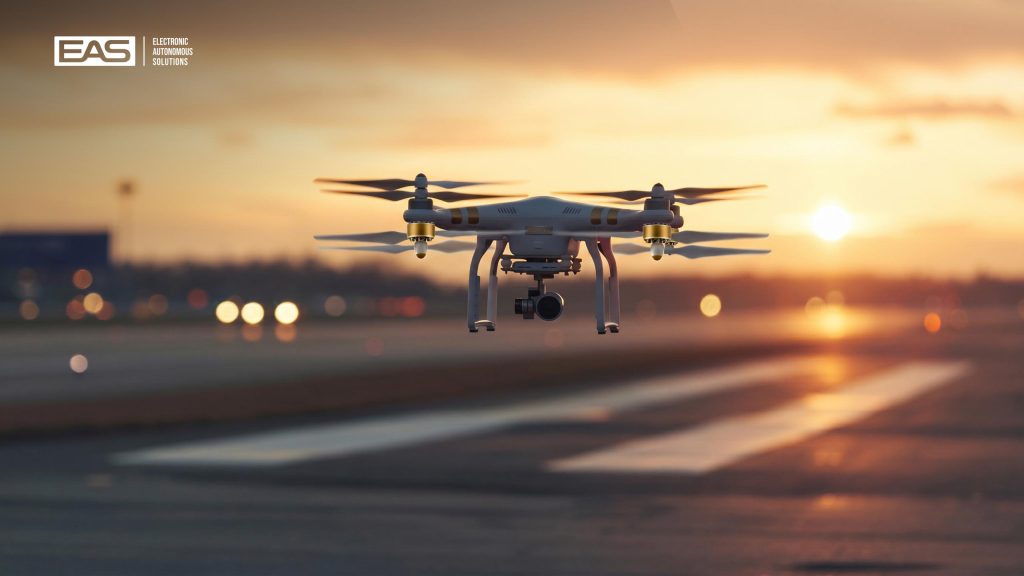
Эти примеры подтверждают: опасность носит глобальный характер, а потенциальные последствия сбоя в обнаружении – критические.
Методы противодействия: активные и пассивные системы
Надежная защита критической инфраструктуры от беспилотников строится на сочетании пассивных и активных мер. Ни один из подходов в отдельности не обеспечивает достаточного уровня безопасности.
Пассивная защита
Пассивные меры направлены на снижение уязвимости предприятия без прямого воздействия на БПЛА:
- Физические барьеры: антидроновые сетки над ключевыми зонами, защитные экраны вокруг оборудования, ограничение открытых площадок посадки.
- Архитектурные решения: заглубление коммуникаций, бронирование важных узлов, дублирование систем контроля.
- Организационные меры: разработка процедур реагирования на БПЛА-инциденты, взаимодействие с правоохранительными органами, ограничение публичной информации о расположении оборудования.
Пассивная охрана снижает потенциальный ущерб, но не устраняет саму угрозу – беспилотник все равно проникает в воздушное пространство предприятия.
Активная защита
Активные комплексы выявляют, идентифицируют и нейтрализуют опасность. Современный подход противодействия БПЛА предполагает многоуровневую архитектуру:
- Обнаружение – первый и ключевой этап. Применяются радиочастотные сенсоры для анализа радиочастотного спектра и выявления сигналов управления БПЛА; радарные комплексы для детектирования воздушных объектов, включая радиомолчащие аппараты; оптико-электронные модули (EO/IR) для визуального подтверждения и сопровождения цели.
- Идентификация – классификация выявленного аппарата с применением искусственного интеллекта. Системы на базе ИИ способны отличать беспилотники от птиц и самолетов, определять тип БПЛА и оценивать степень риска в реальном времени.
- Нейтрализация Soft Kill – радиоэлектронное подавление каналов связи и GPS-навигации, GNSS-спуфинг для принудительной посадки или увода аппарата; Hard Kill – физический перехват с применением специализированных перехватчиков или кинетических средств поражения.
- Командование и контроль (C2) – единая платформа координации, объединяющая данные всех сенсоров в общую ситуационную картину и обеспечивающая слаженную реакцию на инцидент.
Технологические решения для охраны критической инфраструктуры
EAS DOME Stationary
EAS DOME Stationary – интегрированный комплекс противодействия БПЛА (C-UAS) на единой стационарной платформе, разработанный для прикрытия стратегических предприятий, государственных границ и ключевых зон.
Комплекс объединяет:
- Радиочастотный сенсор (диапазон 20–8000 МГц) – широкополосное детектирование и идентификация сигналов управления БПЛА с дальностью до 10 км; AI-классификация по типу аппарата (DJI, FPV, Wi-Fi, самодельные беспилотники);
- Радар X-диапазона – выявление воздушных объектов, в том числе автономные БПЛА, действующие без использования каналов радиосвязи; дальность 5 км, минимальная высота ≤10 м;
- Оптико-электронный модуль (EO/IR) – визуальное подтверждение и автосопровождение цели, работа днем и ночью;
- Система радиоподавления – селективное воздействие на канал связи беспилотника (300–6000 МГц), реакция ≤3 секунд;
- GNSS-спуфинг – навигационный обман для принудительной посадки или увода БПЛА;
- Командный сервер C2 – единое управление всеми модулями, интеграция в национальную архитектуру C4.
Покрытие – 360° по азимуту. Платформа работает в режиме 24/7 и поддерживает сопряжение с существующей инфраструктурой безопасности предприятия.
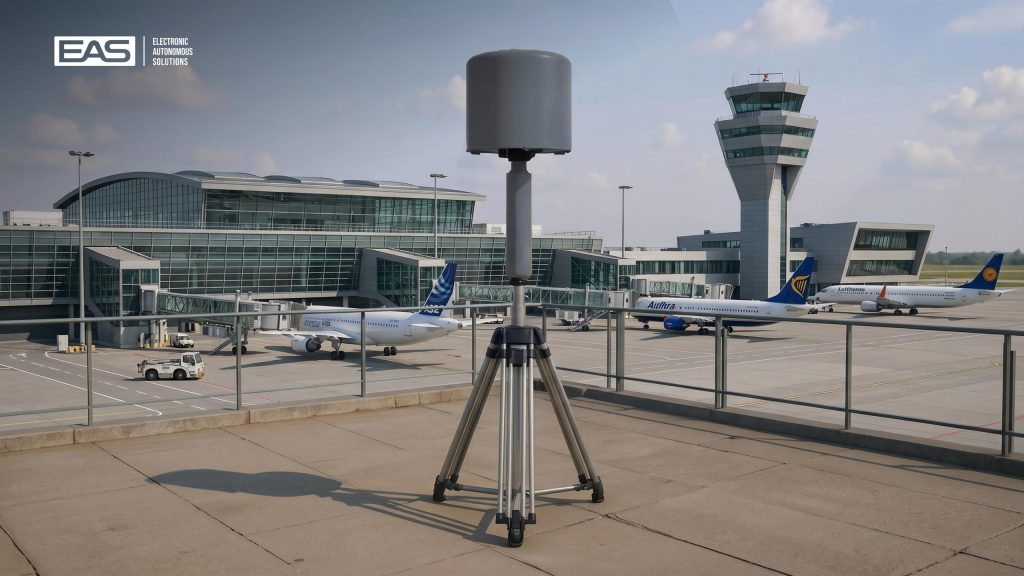
EAS AetherScan
Стационарный сенсор для мониторинга воздушного пространства с применением спектрального анализа. Автоматически идентифицирует модель беспилотника, его координаты и координаты пилота. Применяется для постоянного периметрового наблюдения и интеграции в многосенсорные комплексы выявления угроз.
Часто задаваемые вопросы о защите инфраструктуры от беспилотников
Как защитить критическую инфраструктуру от дронов?
Надежная охрана требует многоуровневого подхода противодействия БПЛА: развертывания комплексов обнаружения (радиочастотные сенсоры, радары, оптико-электронные (EO/IR)камеры) в сочетании со средствами нейтрализации (радиоэлектронное подавление, GNSS-спуфинг, физический перехват) и единой платформой координации C2. Ни одно отдельное решение не обеспечивает полноценной безопасности – только интегрированная архитектура.
Какие БПЛА представляют наибольшую опасность для предприятий инфраструктуры?
Наиболее серьезный риск несут FPV-дроны с возможностью доставки полезной нагрузки, барражирующие боеприпасы, а также автономные беспилотники с AI-навигацией, не зависящие от радиоканала. Последние наиболее сложны для нейтрализации стандартными средствами.
Может ли система подавления беспилотников навредить другим устройствам?
Современные комплексы избирательного подавления воздействуют точечно – только на частоты управления конкретного аппарата, минимизируя помехи для окружающей радиоэлектронной среды. Это принципиальное отличие от широкополосного подавления.
Насколько быстро система реагирует на инцидент?
Современные интегрированные комплексы противодействия БПЛА, такие как EAS DOME, обеспечивают время реакции от момента детектирования до активации средств нейтрализации менее 3 секунд в автоматическом режиме.
Можно ли интегрировать противодроновый комплекс в существующую инфраструктуру безопасности?
Да. Решения на базе архитектуры C2/C4 разработаны для сопряжения с системами видеонаблюдения, периметровой охраны и национальными центрами управления. Это позволяет выстроить единую экосистему безопасности без замены действующего оборудования.
Что такое GNSS-спуфинг и как он применяется для нейтрализации беспилотников?
GNSS-спуфинг – технология навигационного обмана, при которой комплекс передает поддельные спутниковые сигналы навигации, вынуждая аппарат изменить курс, совершить посадку в заданной точке или вернуться к оператору. Это эффективный метод мягкой нейтрализации (Soft Kill), не требующий физического уничтожения БПЛА.
Заключение
Охрана критической инфраструктуры от беспилотников – это не разовое техническое решение, а системная задача, требующая постоянного мониторинга воздушного пространства, своевременного выявления рисков и многоуровневого реагирования. Опасность продолжает расти: аппараты становятся дешевле, автономнее и труднее обнаруживаемыми. Эффективный ответ – интегрированные комплексы противодействия с AI-классификацией, объединенные под единым командованием C2 и масштабируемые до уровня национальных платформ C4.
Electronic Autonomous Solutions (EAS) разрабатывает и производит комплексные решения для прикрытия стратегической инфраструктуры, адаптированные под задачи государственного, оборонного и корпоративного секторов.