
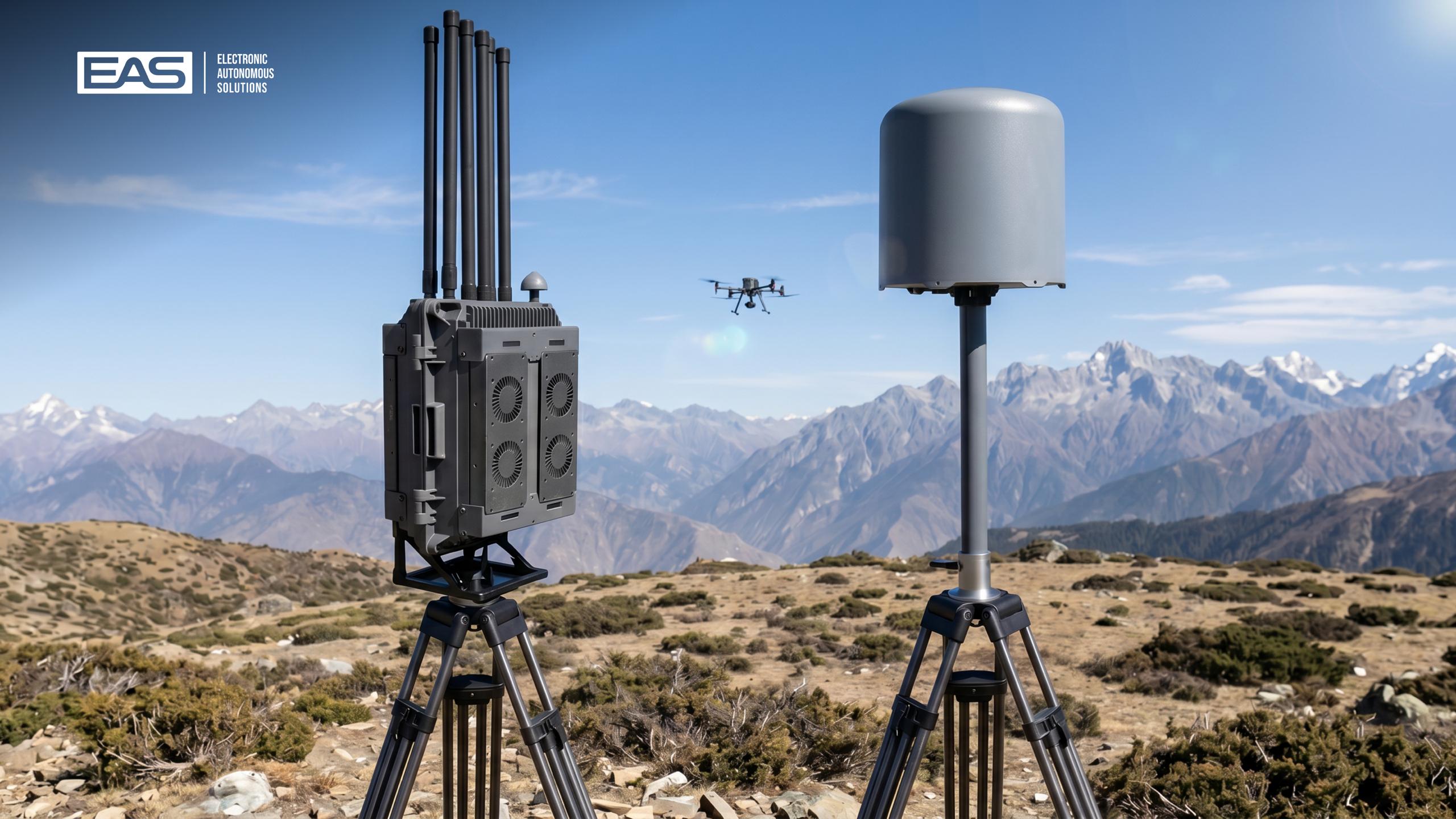
Что такое система подавления сигналов дронов?
Система подавления БПЛА (C-UAS Jammer) – это комплекс радиоэлектронной борьбы, предназначенный для нейтрализации дронов путем создания активных помех в каналах управления, навигации и телеметрии. Устройство генерирует направленное или купольное электромагнитное излучение, перекрывающее основные рабочие диапазоны (от 400 МГц до 6 ГГц, а в некоторых случаях и выше) каналов управления (RC), передачи видео (Telemetry/FPV) и сигналы спутниковой навигации (GNSS). Радио подавление вынуждает стандартные БПЛА активировать протоколы безопасности (посадка/возврат). Однако против современных автономных систем с машинным зрением (CV) и инерциальной навигацией, не зависящих от внешних сигналов, традиционные джаммеры могут иметь низкую эффективность, что требует применения интеллектуальных SDR-платформ или методов физического поражения.
Стремительное развитие беспилотных технологий создало серьезные риски безопасности. Дроны используются для незаконной разведки критической инфраструктуры, контрабанды в исправительные учреждения и терактов. Подавители стали ключевым элементом защиты аэропортов, военных баз, правительственных зданий и массовых мероприятий. В отличие от кинетических методов, антидроновые системы подавления обеспечивают безопасную нелетальную нейтрализацию без физического повреждения беспилотника.
Ключевые компоненты подавителей сигналов
RF-модуль и генератор помех
Высокочастотный генератор в связке с широкополосным RF-передатчиком создают шумовой сигнал высокой мощности, который «заглушает» команды от пульта оператора. Данная система должна покрывать как стандартные коммерческие диапазоны (Wi-Fi 2.4/5.8 ГГц, Bluetooth), так и специализированные частоты, используемые в FPV-дронах и промышленных БПЛА (433 МГц, 868 МГц, 915 МГц, 1.2 ГГц).
Продвинутые модели оснащаются технологией (Frequency Hopping) интеллектуальной перестройки частоты помехи в реальном времени. Это позволяет нейтрализовать дроны, которые автоматически «прыгают» между каналами связи в попытке обойти систему РЭБ.
Антенные системы
Всенаправленные антенны создают равномерную зону подавления на 360° вокруг объекта. Это оптимальное решение для портативных и носимых комплексов, когда необходимо обеспечить мгновенную круговую защиту в ближнем радиусе, независимо от направления подлета БПЛА.
Направленные антенны концентрируют электромагнитную энергию в узком луче (от 15° до 30°), подобно прожектору. Такая фокусировка позволяет «пробивать» каналы связи и навигации дронов на дистанциях в несколько километров. Это критически важно для защиты аэропортов и протяженных границ, где угрозу необходимо нейтрализовать на дальних подступах.
Секторные антенные системы – это интеллектуальное решение для стационарных объектов, объединяющее преимущества обоих типов антенн. Антенна состоит из нескольких направленных панелей, закрывающих полный круг, что позволяет гибко управлять мощностью: формировать сплошной защитный «купол» или концентрировать максимальный потенциал в одном секторе (например, 60°) для сверхдальнего подавления обнаруженной цели.
Усилители мощности
Усилители отвечают за дистанцию и силу подавления: от 10 Вт в переносных устройствах до 60 Вт и выше в мощных стационарных станциях.
Применение передовой GaN-технологии обеспечивает высокую эффективность, увеличенную мощность и позволяет создавать компактное оборудование. В отличие от старых аналогов, такие усилители почти не перегреваются, потребляют меньше энергии и сохраняют максимальную эффективность при борьбе с современными БПЛА, использующими сложные алгоритмы связи.
Как работают подавители сигналов дронов?
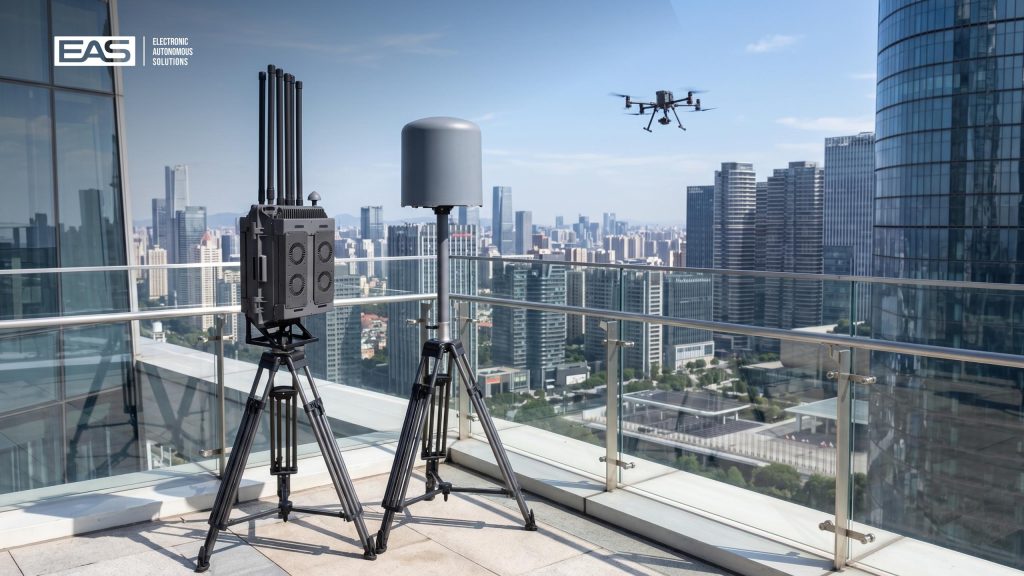
Принцип блокировки радиосигналов
Система противодействия БПЛА излучает мощный шумовой сигнал на тех же частотах, которые дрон использует для приема команд. Поскольку мощность подавителя в зоне действия значительно превышает энергию сигнала от пульта управления (находящегося на удалении), радиоприемник беспилотника перестает распознавать команды оператора. В результате дрон интерпретирует это как критическую потерю связи и активирует Failsafe-протокол (аварийный алгоритм). В зависимости от настроек и модели БПЛА, это приводит к его немедленной посадке, зависанию на месте до разряда батареи или возврату в точку взлета (если не заблокированы сигналы навигации GNSS).
Блокировка навигации (GNSS)
GNSS подавитель блокирует прием данных от всех спутниковых группировок (GPS, ГЛОНАСС, Galileo, BeiDou). Без связи со спутниками БПЛА теряет возможность ориентироваться и выполнять алгоритм «Возврат домой». При блокировании навигации БПЛА может:
- осуществить экстренную посадку с немедленным снижением в зоне действия подавителя;
- зависнуть, т.е. дрон остается в одной точке до разряда батареи;
- потерять курс даже при наличии инерциальных датчиков точность навигации падает, делая выполнение задачи невозможным.
Комбинация подавления радиоканала управления и навигации GNSS полностью изолирует дрон от внешних сигналов, делая его нейтрализацию неизбежной.
Реакция БПЛА на воздействие
Когда система противодействия БПЛА блокирует каналы связи, дрон активирует один из аварийных протоколов: автоматический возврат в точку взлета (Return-to-Home), немедленную посадку (Auto-land) или зависание в ожидании сигнала (Hover). Эффективность нейтрализации кратно возрастает при одновременном подавлении навигации GNSS, так как без спутниковых данных функция возврата домой отключается, вынуждая БПЛА совершить экстренную посадку в зоне действия прибора. Для служб безопасности это создает дополнительное тактическое преимущество: отслеживание попыток дрона восстановить маршрут позволяет не только обезвредить аппарат, но и оперативно вычислить местоположение самого злоумышленника.
Типы подавителей сигналов дронов
Портативные устройства
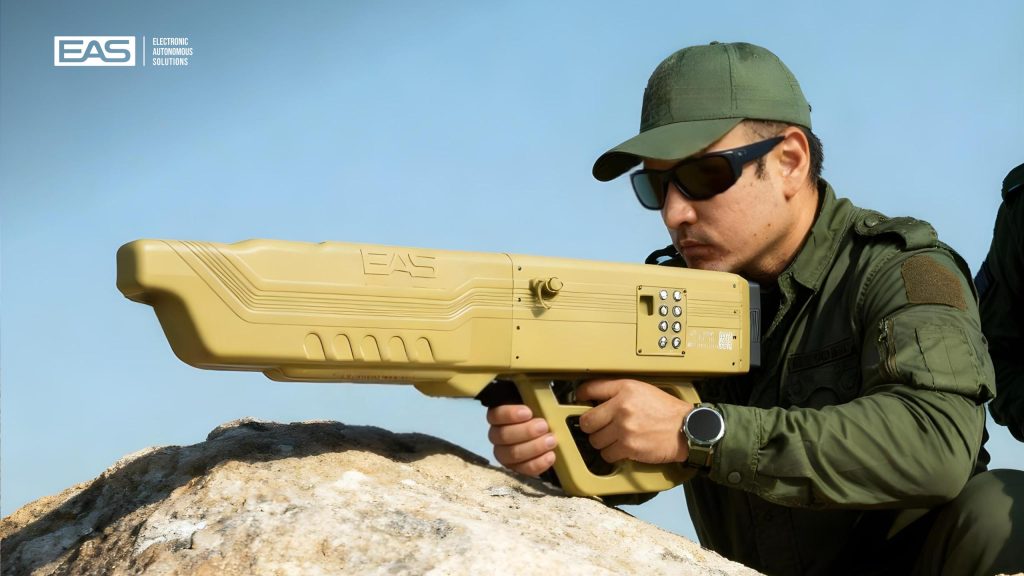
Портативные подавители напоминают огнестрельное оружие для оперативного использования мобильными группами. Характеристики: дальность 500 м — 2 км, вес 3-7 кг, автономность работы 1-3 часа, диапазон частот подавления 2.4/5.8 ГГц, GPS L1/L2.
EAS-1 «FOWLER» – компактное решение от EAS Company для блокировки управляющих каналов, передачи данных и навигации. Направленная антенна обеспечивает точечное воздействие без создания широкой зоны помех.
Стационарные системы
Стационарные комплексы устанавливаются на критических объектах для постоянной защиты. Дальность до 5-10 км, покрытие 360° при установке нескольких модулей, интеграция с радарами и видеонаблюдением.
EAS-ADS «AIR SHIELD» – передовая платформа от EAS Company, интегрирующая радиочастотные датчики обнаружения и множественные модули подавления. Автоматическая классификация угроз и активация защиты при проникновении в охраняемую зону.
Мобильные комплексы
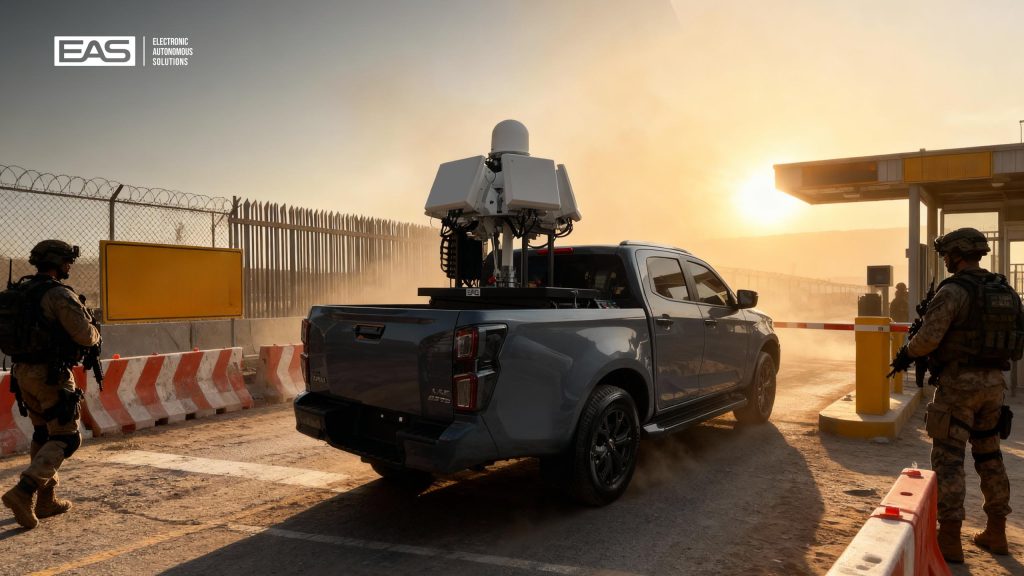
EAS-ADS AIR SHIELD-1MS – мобильный комплекс, устанавливаемый на автомобили и военную технику. Обеспечивает защитный периметр вокруг движущихся колонн и VIP-кортежей в режиме 24/7.
Специализированные системы
- GPS-специфичные подавители блокируют только навигацию, сохраняя работоспособность радиосвязи.
- FPV-блокираторы подавляют видеоканалы 5.8 ГГц, лишая оператора визуального контакта.
- Военные версии с криптозащитой, голосовой активацией и распознаванием «свой-чужой».
Применение подавителей сигналов в различных отраслях
Военная и оборонная сфера
На передовой линии подавители защищают позиции от воздушной разведки, блокируют передачу данных между дроном и оператором, нейтрализуют доставку боеприпасов беспилотниками. Военные базы оборудуются многоуровневыми комплексами, создающими защищенный периметр радиусом нескольких километров. Технология интегрируется в средства ПВО для уничтожения роев малых дронов.
Защита критической инфраструктуры
Аэропорты используют антидроновую защиту для непрерывного контроля подходов к взлетно-посадочным полосам. Энергетические объекты – ТЭС, ГЭС, нефтезаводы – применяют подавители для защиты от шпионажа и терактов. Морские порты оборудуют мобильные комплексы на патрульных судах.
Правоохранительные органы и тюрьмы
Исправительные учреждения сталкиваются с переброской запрещенных предметов дронами. Стационарные подавители создают постоянную защитную зону над территорией колонии. Правоохранители используют портативные модели при спецоперациях и задержаниях для предотвращения разведки с воздуха.
Защита массовых мероприятий
Стадионы, концертные площадки, политические митинги требуют временного развертывания антидроновой системы защиты для предотвращения терактов и несанкционированной съемки. Олимпийские игры и саммиты глав государств сопровождаются комплексными решениями с интеграцией радарного обнаружения.
Корпоративная безопасность
Компании защищают конфиденциальную информацию от корпоративного шпионажа. Портативные модели применяются во время критических переговоров и презентаций новых продуктов. Частные резиденции VIP-персон оборудуются для защиты приватности от папарацци.
Часто задаваемые вопросы (FAQ)
Как работает подавитель дронов?
Подавитель дронов работает путем излучения мощного шумового сигнала в диапазонах радиочастот, которые беспилотный летательный аппарат использует для получения команд от оператора. Когда сигнал подавителя в пределах зоны действия становится мощнее сигнала пульта управления, БПЛА перестает распознавать команды оператора и активирует встроенный аварийный алгоритм (failsafe), что приводит к автоматической посадке, зависанию на месте или возврату в точку взлета (Return-to-Home). Одновременное подавление сигналов GNSS лишает БПЛА возможности использовать спутниковую навигацию, что делает его нейтрализацию неизбежной.
Законно ли использование подавителей?
Легальность варьируется по странам. В США FCC запрещает использование, за исключением уполномоченных госорганов. В Европе регулирование находится в компетенции национальных законодательств. В России применение регулируется лицензионными требованиями для критических объектов. Необходимо получить соответствующие разрешения перед использованием.
На каком расстоянии эффективны подавители?
Портативные модели – 0,5 – 2 км. Стационарные высокомощные комплексы с направленными антеннами – до 5-10 км. Эффективность снижается в плотной застройке и при использовании дроном защищенных протоколов с программной программой рабочей частоты (frequency hopping).
Могут ли подавители повредить дрон физически?
Нет, подавители работают методом радиоэлектронного воздействия без физического повреждения. После прекращения подавления дрон может продолжить полет, если не разрядилась батарея. Это делает технологию безопасной для населенных районов, в отличие от кинетических средств.
Влияют ли системы подавления на работу других устройств?
Работа любого передатчика помех технически подразумевает воздействие на радиоэфир. Однако профессиональные решения минимизируют негативное влияние на легитимные каналы связи за счет высокой точности фильтрации, которая исключает появление помех на соседних, нецелевых частотах. При использовании высокой мощности в общих диапазонах (Wi-Fi, Bluetooth, GPS) возможны временные ограничения в работе бытовой электроники в зоне действия системы. Для снижения побочного воздействия современные комплексы применяют направленные и секторные антенны, которые локализуют зону подавления только в направлении цели, сохраняя стабильность связи на остальной территории объекта.
Работают ли подавители против всех типов дронов?
Большинство коммерческих и любительских беспилотников полностью зависимы от радиоканалов и GPS, поэтому эффективно нейтрализуются стандартными подавителями. Профессиональные военные БПЛА могут использовать защищенные протоколы с псевдослучайная перестройка рабочей частоты (frequency hopping) и инерциальной навигацией, что снижает эффективность подавления. Полностью автономные дроны с запрограммированным маршрутом устойчивы к подавлению.
Сколько времени требуется для нейтрализации?
При прямой видимости портативный подавитель нейтрализует дрон за 3-10 секунд. Автоматические стационарные комплексы реагируют мгновенно после обнаружения цели. Дистанция критична – чем ближе, тем быстрее нейтрализация.
Можно ли создать подавитель своими руками?
Технически, возможно, но крайне не рекомендуется. Самодельные устройства не имеют надлежащей фильтрации и могут создавать широкополосные помехи, нарушая работу критических каналов связи (экстренные службы, авиация, медоборудование). Разработка, производство и эксплуатация систем противодействия БПЛА регулируются строгими нормами национального и международного законодательства в области использования радиочастотного спектра и продукции двойного назначения. Профессиональные решения от производителей вроде EAS Company сертифицированы и соответствуют регуляторным требованиям.